Inflammation Profile Testing in South Shore, Montreal
Inflammation profile testing at Clinique Revive measures markers that go up when the body is fighting infection, autoimmune activity, or chronic inflammation — most commonly C-reactive protein (CRP), erythrocyte sedimentation rate (ESR), and a complete blood count. The panel is useful for context, not for diagnosis on its own.
A clinician orders it when there is a clinical reason — unexplained fatigue, joint pain, recurrent infections, or as part of a broader work-up — and interprets the result with the rest of your clinical picture.
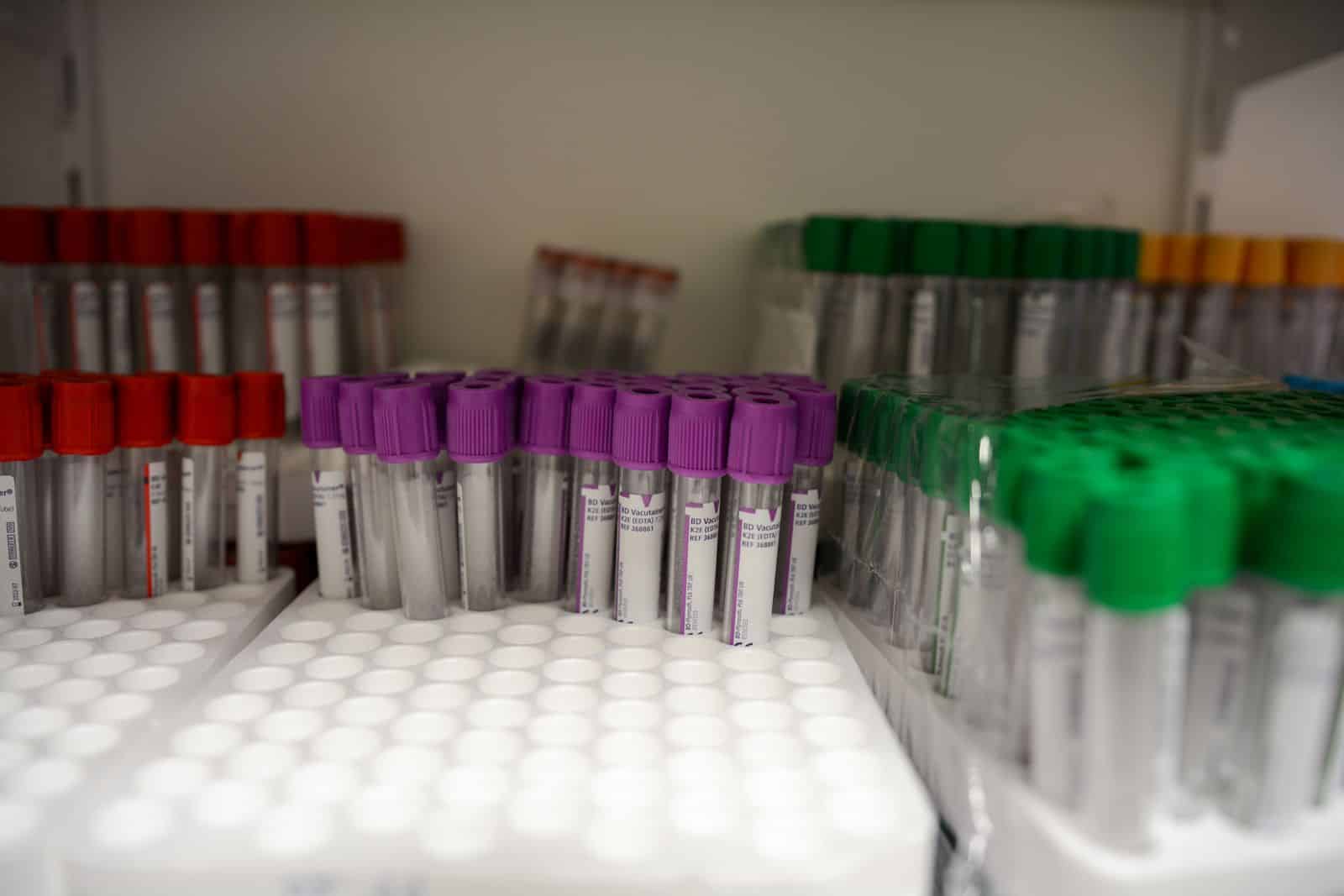
CRP, ESR, CBC
Standard inflammation panels measure both acute (CRP) and slower (ESR) markers, plus a CBC.
Clinical context first
Inflammation markers are non-specific — they tell you something is happening, not what it is. History matters.
Direction, not diagnosis
Results inform whether to test further, refer to a specialist, or watch and recheck.
When an inflammation profile is appropriate
An inflammation profile fits patients with unexplained, persistent symptoms — fatigue, joint stiffness, recurrent low-grade fevers, weight changes, or symptoms suggestive of an autoimmune process. It is also part of follow-up for some chronic conditions and post-infection recovery.
It is not a routine screening test for healthy people without symptoms; ordering it without a clinical reason produces incidental abnormalities that can be misleading rather than helpful.
Preparation for inflammation profile testing
No fasting is generally required for CRP, ESR, or CBC. Take medications as usual unless told otherwise.
Tell the clinician about recent infections, vaccinations, surgeries, or new medications — all of these can shift inflammation markers temporarily. If you take corticosteroids or other immunosuppressants, mention them; they suppress inflammatory markers and affect interpretation.
What inflammation markers can and cannot tell you
An elevated CRP or ESR signals that inflammation is occurring somewhere — but it does not say where or why. A normal result does not entirely rule out inflammation either, particularly in early or localized conditions.
The clinician integrates the markers with your symptoms, exam, and history to decide whether further testing is warranted (autoimmune panels, imaging, specialist referral) or whether the picture is reassuring enough to monitor.
- Health card or ID
- medication and supplement list
- recent illness/vaccination/surgery dates
Phlebotomist for the draw; physician for interpretation
10–15 minutes for the draw; consult time as needed
South Shore, Montreal, Mercier, Candiac — and across the South Shore (Rive-Sud)
Frequently Asked Questions
Is a high CRP the same as an autoimmune disease?
No. CRP rises with infections, injury, surgery, autoimmune flares, and many other causes.
The number alone does not diagnose anything.
Can supplements lower CRP?
Some lifestyle changes (weight loss, diet, exercise, smoking cessation) reduce baseline inflammation over months. Specific supplements have less consistent evidence; discuss with the clinician before starting any.
How fast do inflammation markers respond to treatment?
CRP responds within hours to days. ESR changes over days to weeks.
That is why the two are often ordered together — they capture different timeframes.
Will I need follow-up labs?
Often yes — particularly if the first result is borderline or elevated. Trends are usually more informative than single values.