Basic STI Screening in South Shore, Montreal
A basic STI screening at Clinique Revive covers the four infections that account for most clinically significant cases in Québec — Chlamydia, gonorrhea, syphilis, and HIV. The format suits people who want a routine sexual-health check without symptoms, are starting a new relationship, or want a baseline they can repeat annually.
The visit is short, the testing is well-validated, and the result conversation is grounded in evidence-based timing.
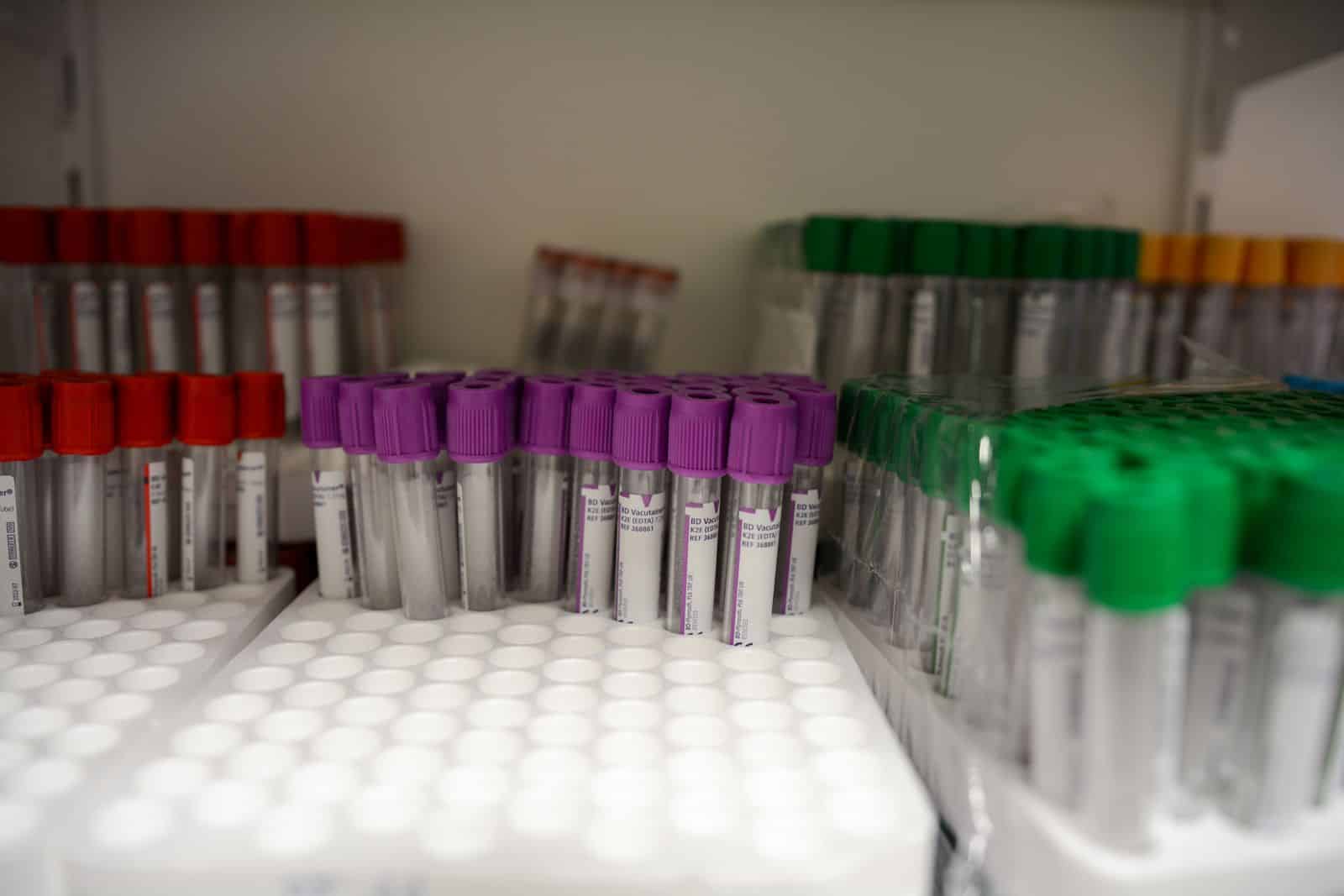
Four-infection core panel
Chlamydia and gonorrhea (urine or swab); syphilis (blood); HIV (blood) — the workhorses of routine screening.
Asymptomatic-friendly
These tests work for people without symptoms — they are screening tests, not just diagnostic tests for active infection.
Quick visit
Brief intake, single sample collection, clear timeline for results.
When the basic STI screening fits
Choose the basic panel for routine yearly screening, when starting a new relationship, or after a low-to-moderate-risk exposure once enough time has passed for tests to be reliable. It is not the right panel if you have symptoms (sores, discharge, pain, unusual bleeding) — symptomatic visits warrant a fuller assessment.
It is also not enough on its own for high-risk situations: travel to high-prevalence regions, condomless contact with unknown partners, or known partner diagnoses sometimes call for a complete panel that adds hepatitis, herpes, and other tests.
Preparation for a Basic STI Screening
Do not urinate for at least one hour before the visit so the urine sample is informative. Wear comfortable clothing — most basic panels do not require a swab.
Bring your health card, medication list, and a brief exposure timeline. If you have had any STI in the past, mention it: prior infection patterns and timing of retesting matter for interpretation.
After a Basic STI Screening
Results are returned via Clinique Revive’s secure channel within the partner laboratory’s standard timelines. Chlamydia, gonorrhea, and syphilis: relatively fast.
HIV: a screening test, sometimes followed by a confirmatory test — the clinician explains the two-step process if the screen is reactive. A negative basic panel — with appropriate timing — is reassuring.
If anything is positive, treatment, follow-up retesting, and confidential partner support are arranged.
- Health card or ID
- medication list
- brief exposure timeline
- prior STI test results
Family physician or registered nurse
20 minutes
South Shore, Montreal, Kahnawake, Saint-Mathieu — and across the South Shore (Rive-Sud)
Frequently Asked Questions
What is the difference between a basic and a complete STI panel?
Basic covers the four most clinically common infections (Chlamydia, gonorrhea, syphilis, HIV). The complete panel adds hepatitis B/C, herpes serology, and sometimes Mycoplasma/Ureaplasma.
The clinician helps you choose based on risk.
Can I screen during my period?
Yes for blood-based tests. Urine and swab tests can still be done but timing should be discussed; the clinician advises based on the specific test.
I have no symptoms — do I really need to test?
Yes if you are sexually active with new partners or condomless contact. Many STIs are asymptomatic for long periods, especially Chlamydia and HIV — testing is the only way to know.
What if HIV screen is positive?
A reactive HIV screening test is followed by a confirmatory test — the standard process. A reactive screen alone is not a diagnosis.
The clinician walks through the next step calmly and connects you to care.