HIV Screening in South Shore, Montreal
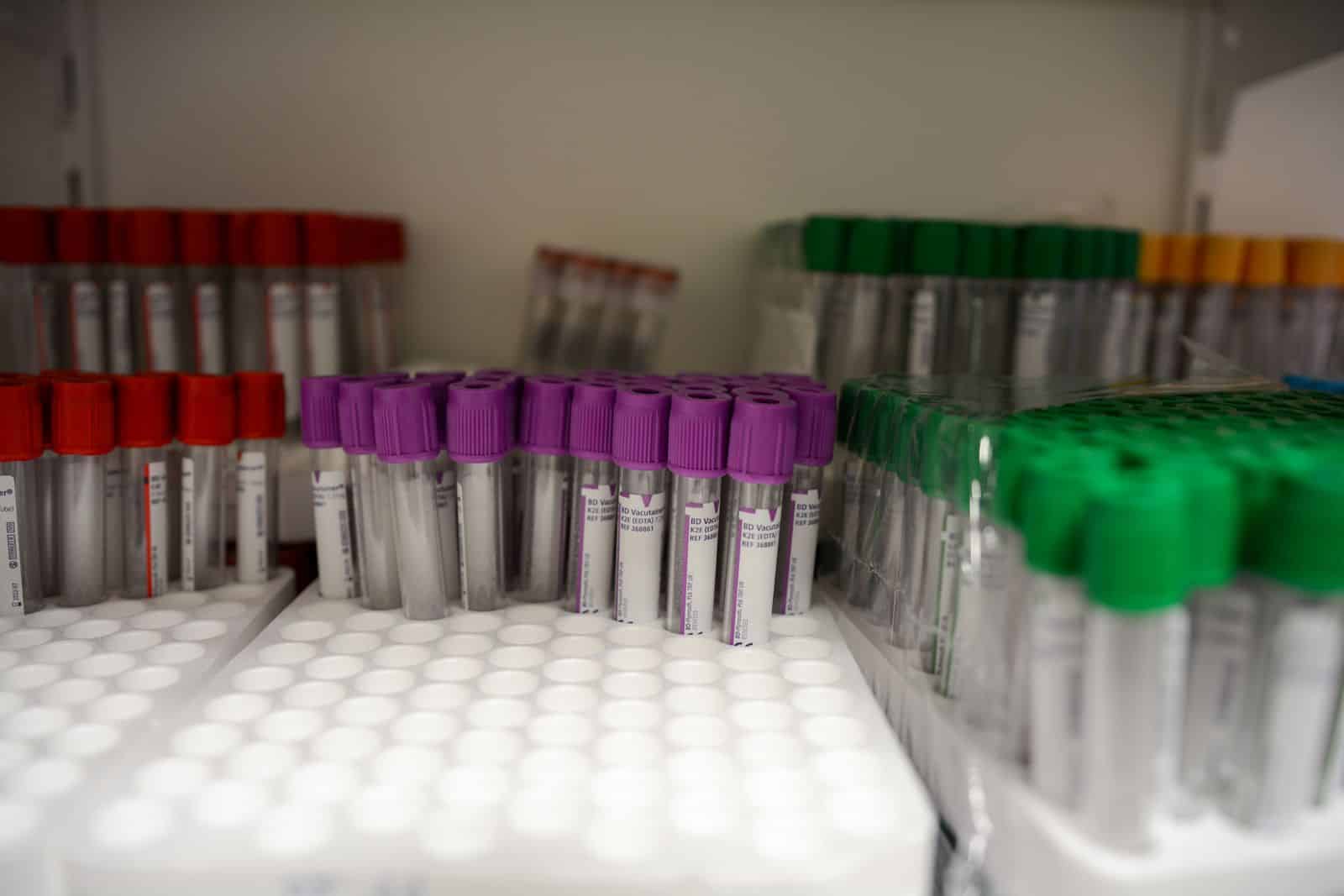
HIV screening at Clinique Revive uses fourth-generation antibody/antigen blood tests, which detect both HIV antibodies and the p24 antigen — meaning earlier detection than older antibody-only tests. The visit includes a focused pre-test conversation, the test itself, and a clear plan for result delivery.
For patients across the Rive-Sud who want fast, private, and reliable HIV testing without public-system delay, the clinic offers a discreet pathway with proper interpretation.
Fourth-generation testing
Detects both HIV antibodies and p24 antigen, reducing the window period compared to older tests.
Timing matters
A test around 3 weeks after exposure detects most infections; a negative result is confirmed with a retest at 12 weeks (3 months) after exposure.
Confirmatory pathway
If a screening test is reactive, a confirmatory test follows automatically — a single screening result is not a diagnosis.
When HIV screening is appropriate
Test if you had a higher-risk exposure (condomless sex with a new or known-positive partner, sharing injection equipment, occupational needlestick); if you want a baseline for ongoing health monitoring; or as part of a sexual-health check-up. Routine HIV screening in adults is a public-health recommendation in Canada — even outside specific exposures, knowing your status is medically meaningful.
If exposure happened within the past 72 hours and is high-risk, post-exposure prophylaxis (PEP) is time-sensitive — go to an emergency department or PEP-equipped clinic urgently rather than booking routine screening.
Preparation for HIV testing
No fasting is needed. Bring your health card, medication list, and a brief exposure timeline.
If you have been on or are considering HIV pre-exposure prophylaxis (PrEP), tell the clinician — testing protocols differ slightly. If you have had a prior HIV-related test (positive or negative), bring the result.
Honest disclosure makes the right test selection possible — the clinician’s role is medical, not judgmental.
Result delivery and what comes next
A non-reactive (negative) result, in someone tested at the right time after exposure, is reassuring. A reactive screening result is not a diagnosis on its own — by protocol, a confirmatory test follows automatically.
The clinician explains this calmly and ensures continuity of care. If a confirmatory test is positive, the clinician connects you to HIV-specialist care; modern treatment is effective, and undetectable viral load means HIV is not transmitted sexually (U=U).
If you are HIV-negative but at ongoing risk, the conversation includes PrEP options.
- Health card or ID
- medication list
- brief exposure timeline
- prior HIV test results if any
Family physician for consult; phlebotomist/nurse for blood draw
20 minutes
South Shore, Montreal, Beauharnois, Saint-Isidore, Greenfield Park — and across the South Shore (Rive-Sud)
Frequently Asked Questions
How long after exposure should I test?
Fourth-generation HIV tests detect most infections from about 3 weeks after exposure. A negative result at that point is confirmed with a retest at 12 weeks (3 months) after exposure. The clinician confirms the right timing for your situation; testing too early gives a falsely reassuring result.
Is the result confidential?
Yes. HIV results are protected by Québec health-information privacy law.
New diagnoses are reportable to public health, but care is coordinated to support you, not to expose you.
What is PrEP?
Pre-exposure prophylaxis is a daily medication that substantially reduces HIV transmission risk for people at ongoing risk. The clinician can discuss whether it is appropriate and how to access it.
I’m scared to test. What if I’m positive?
HIV in 2026 is not what it was decades ago. With current treatment, life expectancy approaches normal and people on effective treatment do not transmit sexually.
Knowing your status is the first step to staying well — and we walk through it without judgment.