HPV Screening (Human Papillomavirus) in South Shore, Montreal
HPV (human papillomavirus) screening at Clinique Revive is offered as part of cervical screening for those with a cervix, and on a case-by-case basis for other clinical questions. HPV is extremely common — most sexually active people encounter it at some point, and most infections clear on their own.
Screening matters because persistent high-risk HPV types are the cause of cervical and several other cancers. The clinician explains what HPV testing can detect, what it cannot, and how vaccination changes the picture.
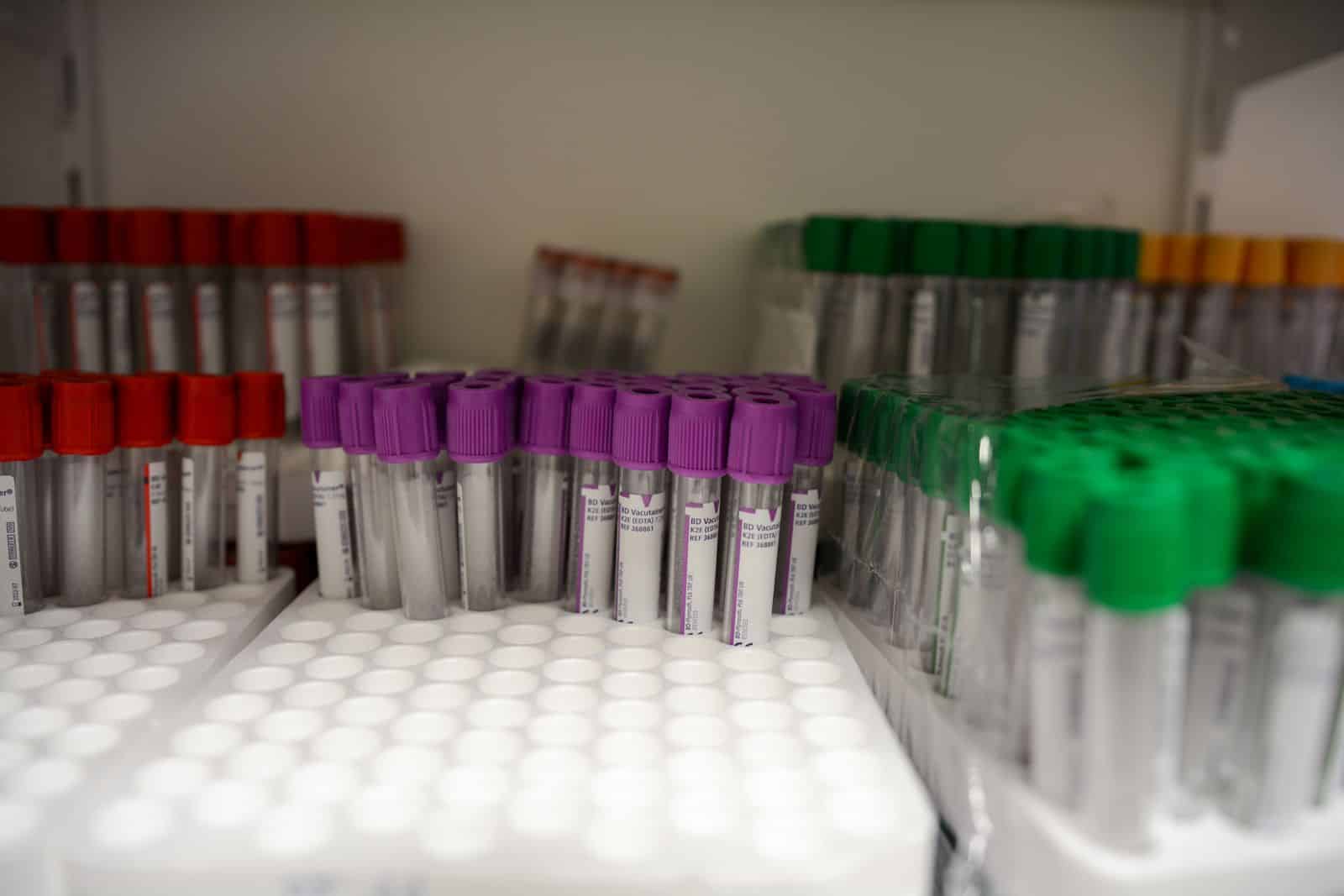
Cervical screening anchor
HPV testing is most established for cervical cancer screening, often alongside or replacing the traditional Pap test.
High-risk type detection
HPV tests target the high-risk types (especially 16 and 18) that are most strongly linked to cancer.
Vaccination context
If you have been vaccinated, the clinician discusses how that affects screening recommendations.
When HPV screening is appropriate
For patients with a cervix, HPV testing is part of routine cervical screening based on Québec and Canadian guidelines. It is not routinely indicated as a stand-alone STI test in asymptomatic patients, partly because most HPV infections resolve and the test does not change short-term management.
HPV testing for non-cervical sites (oral, anal) is offered for specific clinical situations — discuss with the clinician whether it applies to you.
Preparation for HPV screening
If you are coming for cervical HPV testing, schedule outside your menstrual period if possible, since blood interferes with sample interpretation. Avoid vaginal medications, lubricants, and douching for 48 hours before the test.
Bring your HPV vaccination history (Gardasil-9, Cervarix, or other), prior Pap or HPV test results, and any recent gynecologic concerns to discuss.
What HPV results mean
A negative high-risk HPV test is reassuring; the next screening interval is typically longer than with traditional Pap-only testing. A positive high-risk HPV test does not mean cancer — most infections clear within 1–2 years.
The clinician explains the follow-up: repeat testing at a defined interval, cytology if not already done, or colposcopy referral depending on the type and any cytology findings. HPV vaccination after a positive test does not treat current infection but can still protect against types not yet acquired.
- Health card or ID
- HPV vaccination history
- prior Pap or HPV test results
- menstrual cycle timing
Family physician
20–30 minutes
South Shore, Montreal, Léry, Saint-Isidore, Brossard — and across the South Shore (Rive-Sud)
Frequently Asked Questions
Is HPV the same as genital warts?
Genital warts are caused by low-risk HPV types (mainly 6 and 11). Cervical cancer screening targets the high-risk types (especially 16 and 18).
The same family, different members, different concerns.
I’m vaccinated — do I still need screening?
Yes. Vaccines cover the most important types but not all of them.
Cervical screening is still recommended on the standard schedule for vaccinated patients.
What is the difference between an HPV test and a Pap test?
A Pap test looks at cervical cells for abnormalities. An HPV test looks for the virus itself.
Many guidelines now use HPV-first or co-testing strategies because HPV detection is highly sensitive for the underlying cause of cervical changes.
Can HPV affect men?
Yes. HPV can cause genital warts, anal cancer, and oropharyngeal cancers in men.
Routine HPV testing in men is not standard, but vaccination is recommended and clinical assessment is offered for symptoms.