Complete STI Screening in South Shore, Montreal
A complete STI screening at Clinique Revive expands beyond the basic four (Chlamydia, gonorrhea, syphilis, HIV) to include hepatitis B and C, herpes serology (HSV-1 and HSV-2), and additional tests like trichomoniasis or Mycoplasma/Ureaplasma when indicated. It is the appropriate panel for higher-risk situations or when a more thorough sexual-health baseline is wanted.
The clinician selects the exact components based on your history; “complete” does not mean “every test ever” — it means clinically thorough.
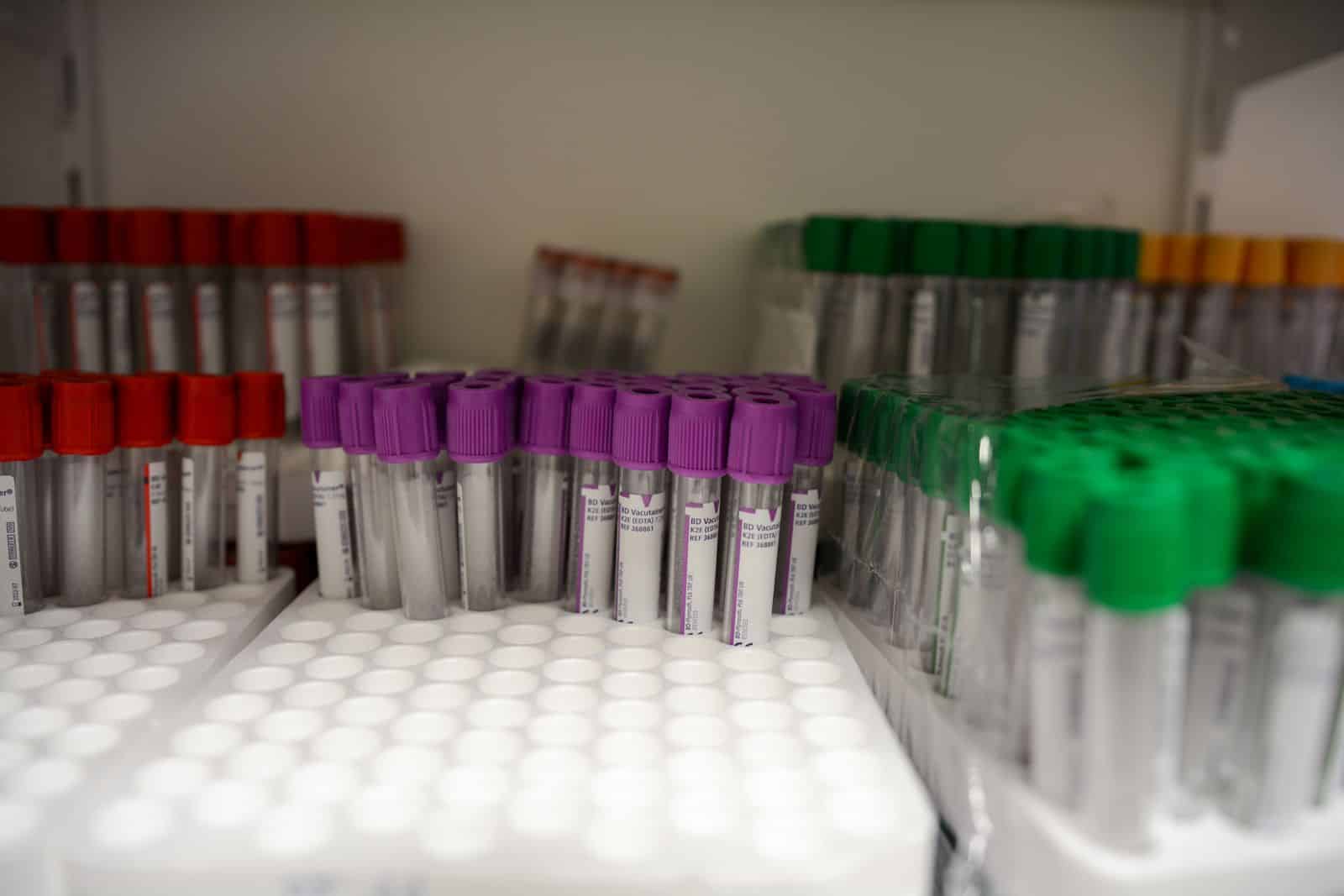
Expanded panel
Adds hepatitis B/C, herpes serology, and other tests to the core four when clinically appropriate.
Tailored selection
The clinician chooses components based on your history and exposure — every test included is justified.
Comprehensive interpretation
More tests means more nuance — particularly herpes serology, where context matters as much as the result.
When to choose a Complete STI Screening
A complete screening fits patients with multiple partners, condomless contact, partners with unknown status, travel to high-prevalence regions, a partner with a recent diagnosis, or a prior STI history. It is also appropriate when you want a thorough baseline rather than the basic panel.
It is not appropriate as routine annual screening for low-risk individuals, where the basic panel and a sensible repeat schedule cover the medically relevant ground without adding tests that are likely to confuse rather than clarify.
Preparation for a Complete STI Screening
Avoid urinating for one hour before the visit if urine tests are part of your panel. Bring your hepatitis vaccination history if you know it (it changes how hepatitis B serology is interpreted).
Note any past genital herpes outbreaks or cold sores — herpes serology has well-known interpretation pitfalls and the clinician needs context. Be ready to discuss recent travel and exposures honestly; the panel selection depends on it.
Interpreting a Complete Panel
Results return through the secure channel. Most components are interpreted as straightforward positive or negative, but herpes serology in particular requires careful reading: a positive HSV-1 IgG often reflects past oral cold-sore exposure rather than genital infection, and the test does not localize the infection to a specific site.
The clinician explains each result in context and arranges treatment for what is treatable. Hepatitis B/C management may include linkage to specialist care if positive.
- Health card or ID
- medication list
- hepatitis vaccination history
- prior herpes outbreak history
- prior STI results
- recent travel/exposure timeline
Family physician for consult; phlebotomist/nurse for samples
30 minutes
South Shore, Montreal, Sainte-Martine, Candiac — and across the South Shore (Rive-Sud)
Frequently Asked Questions
Do I really need herpes serology?
Routine herpes serology in asymptomatic people is debated because results can be misleading. The clinician explains the trade-offs and includes it only when it is clinically useful for your situation.
Will my hepatitis B vaccination affect the results?
Yes — it shows as anti-HBs antibody positive, which is reassuring rather than a sign of infection. The interpretation distinguishes vaccination from infection and recovery.
What if I test positive for hepatitis C?
Hepatitis C is now treatable with high cure rates using direct-acting antivirals. The clinician discusses next steps, confirmatory testing, and referral pathways.
How often should I do a complete vs. basic panel?
Most people benefit from the basic panel annually as a routine, with a complete panel done less frequently — for example, after a higher-risk situation, on travel return, or every few years as a thorough baseline.