Herpes Screening in South Shore, Montreal
Herpes screening at Clinique Revive is offered with realistic framing: HSV testing is more nuanced than most STI tests. Two main methods exist — direct testing of an active sore (PCR or culture, which is highly informative) and blood serology for HSV-1 and HSV-2 antibodies (which has known interpretation limits).
The right test depends on whether you currently have symptoms or are asking about past exposure. The clinician explains what the test you choose can — and cannot — tell you before any sample is taken.
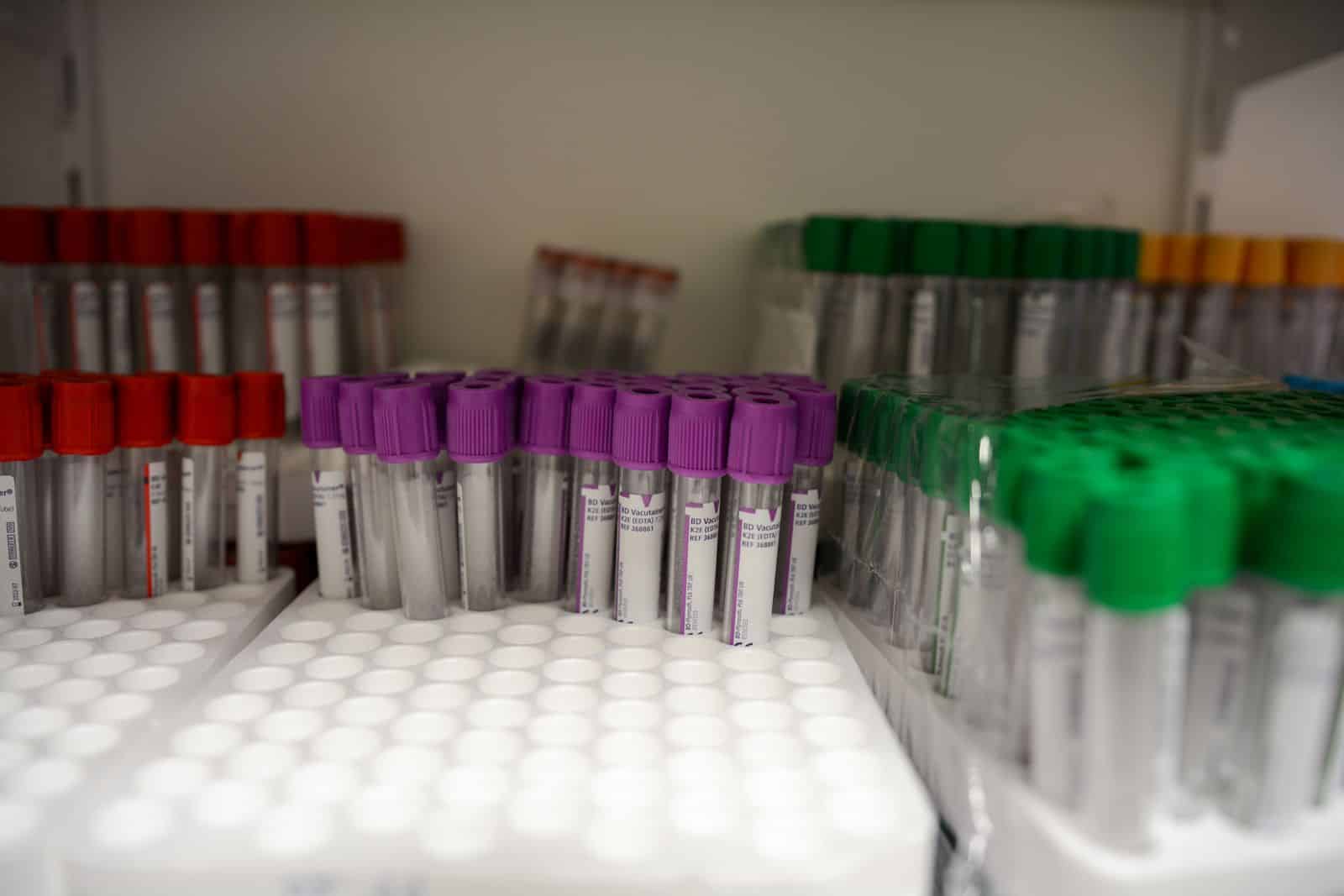
Test the sore if you have one
PCR or culture from an active lesion is the most informative test — it identifies the virus type from the actual site.
Serology has caveats
Blood antibody tests indicate prior exposure but do not localize the infection or distinguish genital from oral.
Honest interpretation
A positive HSV-1 IgG often reflects past oral cold-sore exposure. The clinician explains what your result means in context.
When herpes screening is appropriate
Direct testing of an active genital or oral lesion is appropriate whenever a sore appears and you want a clear diagnosis — these results are clinically actionable. Routine herpes serology in asymptomatic people is more debatable: positive results are common (HSV-1 prevalence in adults is high) and the result by itself does not necessarily change behaviour or treatment.
Serology is most useful when there is a specific reason — a partner’s recent diagnosis, recurrent unexplained symptoms, or pre-pregnancy planning.
Preparation for herpes testing
If you currently have a lesion, do not apply creams to it before the visit — the swab needs intact viral material. Bring a record of any past outbreaks: locations, frequency, how long they last.
Mention any cold sore history; this affects how serology results are interpreted. If you are pregnant or planning pregnancy, tell the clinician — herpes management around delivery is a recognized clinical concern that the visit can address.
After herpes testing
A positive PCR or culture from a lesion confirms HSV and identifies the type (1 or 2). Treatment options include episodic antivirals (taken when outbreaks start) and suppressive therapy (taken daily to reduce outbreak frequency and transmission risk).
For serology, the clinician explains the result honestly: a positive HSV-1 antibody often does not mean genital herpes, and a negative serology does not entirely rule out very recent infection. The aim is informed reassurance or informed action, not anxiety from ambiguous results.
- Health card or ID
- outbreak history (timing, location, frequency)
- cold sore history
- partner’s diagnosis details if relevant
- medication list
Family physician for consult; sample collector for swabs/blood
20–25 minutes
South Shore, Montreal, Mercier, Saint-Mathieu — and across the South Shore (Rive-Sud)
Frequently Asked Questions
If my partner tested positive for HSV, should I test?
Sometimes — depending on your exposure history and whether you have symptoms. The clinician helps decide whether testing now will give a useful answer or whether watchful waiting is more sensible.
Can herpes be cured?
No, but it can be managed effectively. Antiviral medications reduce outbreak frequency, severity, and transmission risk.
Many people with HSV have rare or no outbreaks.
Why is HSV-1 sometimes ‘genital’?
HSV-1, traditionally oral, increasingly causes genital infections through oral-genital contact. A positive HSV-1 result alone does not localize the infection — the history does.
Will routine herpes testing show up on my insurance summary?
Test results themselves are protected health information. Your insurer may see that a test was billed but not the result.
The clinic can clarify what shows on a receipt.