



IV Treatments in South Shore, Montreal
Intravenous therapy delivered by trained nurses
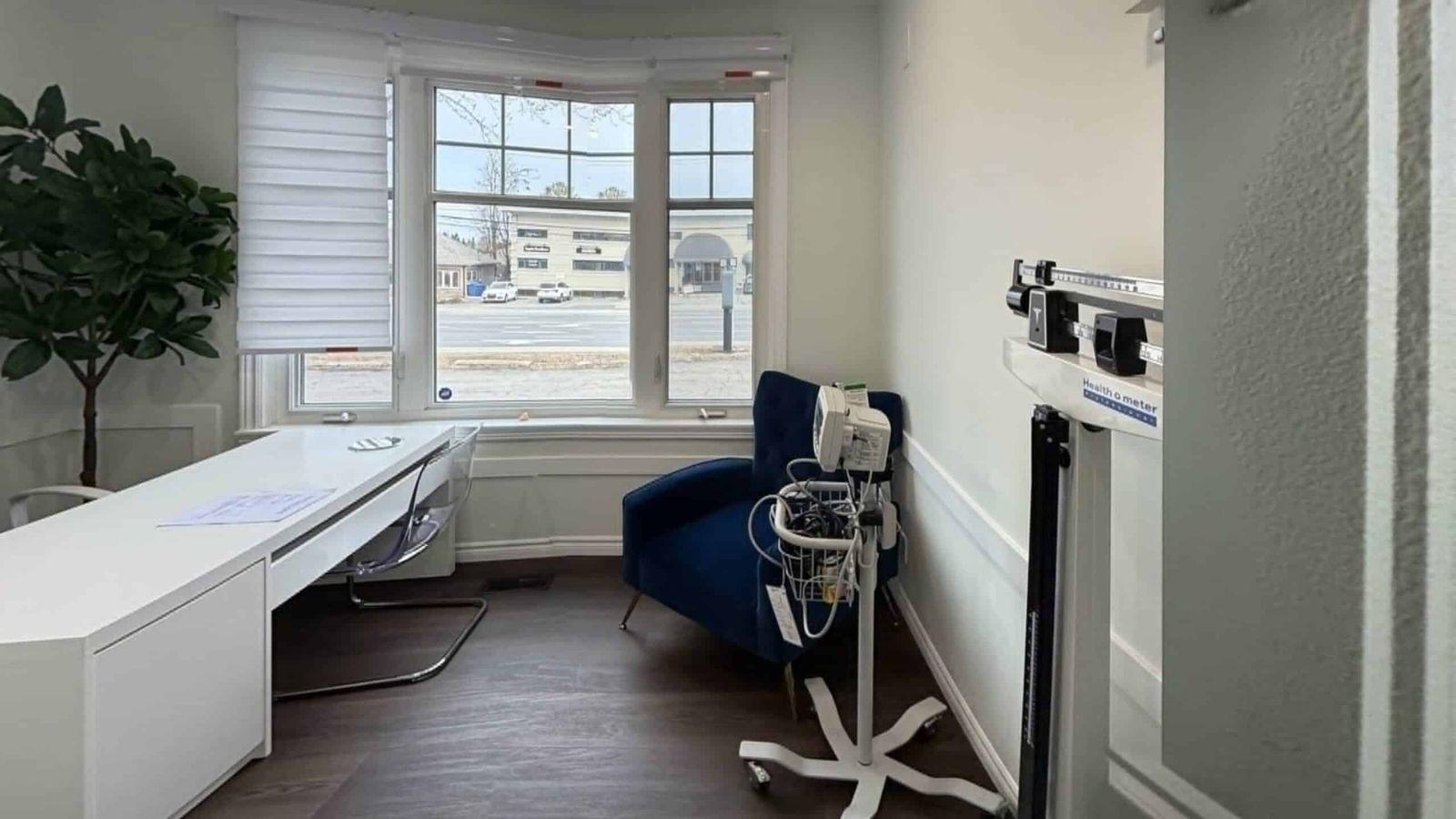
IV treatments at Clinique Revive cover therapies that benefit from intravenous administration — most commonly hydration support, vitamin and mineral infusions, iron infusions when indicated, and other prescribed IV medications. Sessions are performed by registered nurses in a comfortable clinical setting, with monitoring throughout the infusion.
Whether the treatment is for a documented deficiency, a clinician-initiated protocol, or wellness-focused hydration, the visit follows the same medical standards: appropriate indication, proper consent, monitored delivery, and documented care.
- Duration
- 30 minutes to a few hours, depending on the infusion
- Who performs it
- Registered nurse with IV-therapy training

- 01
Clinical setting, trained staff
All infusions are placed and monitored by registered nurses with IV-therapy training in a clinical environment.
- 02
Indication-led
Treatments follow a clinical assessment or a clinician’s order — the visit is not 'pick from a menu.'
- 03
Monitored throughout
Vital signs and tolerance are monitored during the infusion; the nurse stays available the whole time.
When IV treatment makes clinical sense
When IV therapy is appropriate
IV therapy is appropriate when a documented deficiency cannot be reasonably corrected by oral routes (such as iron deficiency unresponsive to oral iron, or vitamin B12 deficiency in malabsorption), when rapid hydration is needed during recovery from a brief illness, or when a clinician has prescribed a specific intravenous medication. IV vitamin therapy for general wellness in healthy adults has limited evidence beyond hydration; the clinician will be honest about what the literature supports.
IV therapy is not appropriate for severe acute illness or anything requiring hospital-level monitoring.

How to prepare
Preparation for an IV treatment session
Hydrate well in the hours before your session — well-hydrated veins are easier to access and the experience is more comfortable. Eat a normal meal beforehand.
Wear short sleeves or a top that lets you bare an arm. Bring your medication list, recent lab work (especially if the IV is for a deficiency), and any prior infusion records.
Tell the nurse if you have a history of difficult IV access or vasovagal reactions.
What to bring
- Health card or ID
- medication list
- recent lab results if relevant
- prior infusion records
During and after the session
What to expect during and after
After IV access is placed, the infusion runs over a defined time depending on what is being given — anywhere from 30 minutes to several hours for some products. You can read, work, or rest during the session.
You may feel a cool sensation as fluid enters the vein; some products produce a brief metallic taste. After the IV is removed, mild bruising at the site is common.
Iron infusions can occasionally produce delayed reactions; the nurse advises on what to watch for. Severe reactions are rare; the clinical setting allows immediate response if needed.

IV Treatments
Who performs it
Registered nurse with IV-therapy training
Duration
30 minutes to a few hours, depending on the infusion
Areas served
Châteauguay, Beauharnois, Mercier, Léry, Kahnawake, South Shore
Does IV vitamin therapy actually do anything beyond hydration?
For documented deficiencies, yes — IV correction can be effective. For general wellness in healthy people, the evidence is limited and most of the perceived benefit appears to come from the hydration itself.
The clinician will be straightforward about expectations.
How is iron infusion different from iron pills?
Iron infusion delivers iron directly to circulation, useful for patients who cannot tolerate or absorb oral iron. It is appropriate for documented iron deficiency, often with a clinician-confirmed indication.
Are IV treatments covered by insurance?
Coverage depends on the indication and your specific plan. Iron infusions for documented deficiency may be covered; wellness-oriented IV therapy typically is not.
The clinic provides receipts to submit to your insurer.
Is the IV painful?
The needle insertion is brief — most patients describe it as a small pinch. After it is in place, the infusion itself is generally not painful.


30 minutes to a few hours, depending on the infusion · Registered nurse with IV-therapy training